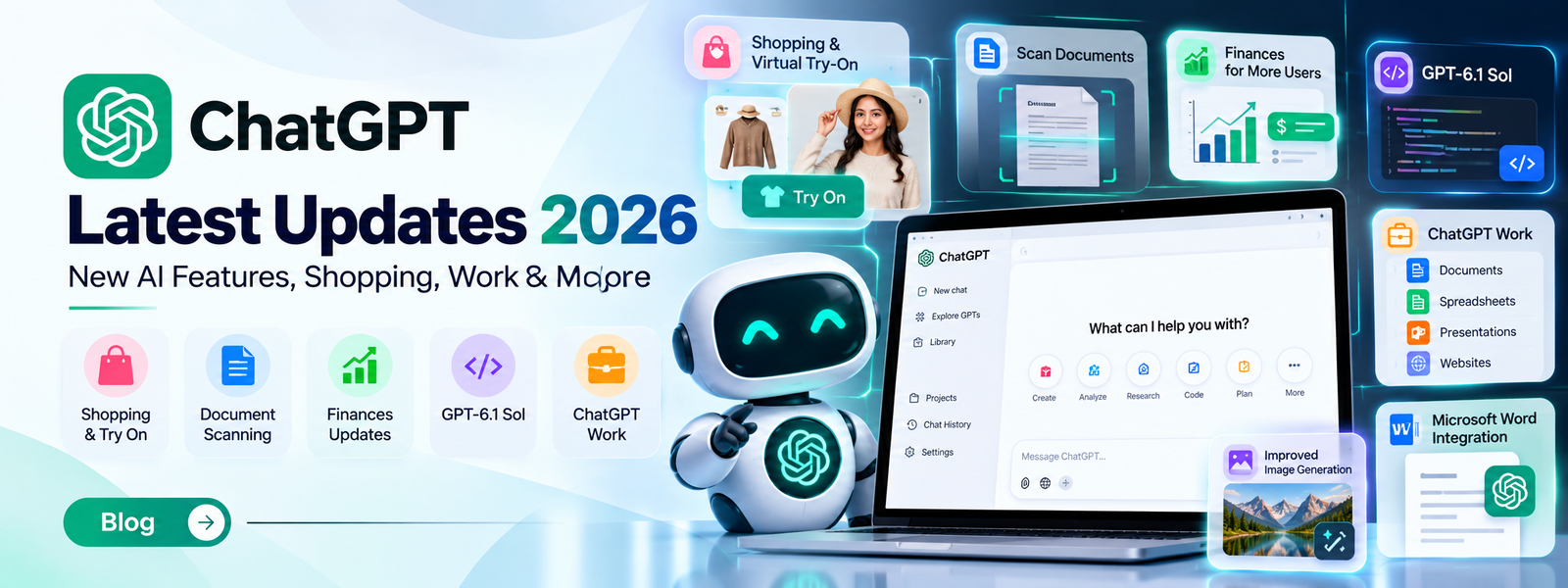
October 2026 – AI technology continues to evolve rapidly, and ChatGPT is becoming more than just a conversational AI tool. Recent updates from OpenAI are expanding ChatGPT into shopping, document processing, financial insights, professional work, image creation, and AI-powered business workflows. For businesses, developers, marketers, designers, and everyday users, these updates show how quickly AI is moving toward becoming an integrated digital assistant. Here are some of the latest ChatGPT updates you should know about. 1. ChatGPT Introduces New Shopping Features One of the latest updates focuses on improving the shopping experience inside ChatGPT. Users can now see a “Try on” option for eligible clothing and accessory product listings. Users can take or upload a selfie and use ChatGPT Images to visualize how products could look on them. ChatGPT has also introduced ways to save shopping discoveries. Users can add products to Favorites or organize products into folders inside the ChatGPT Library. This could make AI-assisted shopping more personalized by combining product discovery, visual search, recommendations, and image generation. 2. Scan Documents Directly with ChatGPT ChatGPT is also making it easier to work with physical documents. On supported iOS devices, users can use the ChatGPT camera’s Scan option to capture multiple pages. ChatGPT can combine the scanned pages into a single PDF that can then be uploaded to a conversation. This can be useful for: Instead of taking separate photographs and uploading them individually, users can create a combined document more easily. 3. ChatGPT Finances Expands to More Users OpenAI has also expanded its Finances experience to Free and Go users in the United States. Eligible users can securely connect supported financial accounts and ask questions based on their financial information. ChatGPT can help users understand spending, identify ways to save, and make sense of investments. This represents a broader shift toward AI assistants that can work with users’ connected information rather than only answering general questions. 4. GPT-6.1 Sol for Complex Professional Work OpenAI has introduced GPT-6.1 Sol for complex coding and professional workloads across ChatGPT Work, Codex, and the API. According to OpenAI, GPT-6.1 Sol is designed to deliver performance approaching Astra for complex work while being positioned at a lower cost. It is being rolled out across ChatGPT Work and Codex, beginning with Pro users and expanding to additional plans and workspaces. The model is particularly relevant for: For technology companies, this could make AI-assisted development and automation more accessible. 5. ChatGPT Is Moving Toward Agentic Work OpenAI’s DevDay 2026 announcements highlighted a broader direction for ChatGPT: AI that can take on longer-running responsibilities rather than simply responding to individual prompts. OpenAI described new agents and new ways for people and AI to collaborate, including the ability for developers to create native experiences that can reach ChatGPT’s large user base. This is an important development because the future of AI is increasingly moving from: Ask → Answer toward: Plan → Execute → Review → Complete For businesses, this could mean AI systems handling multi-step workflows such as research, data analysis, document creation, customer support, software development, and internal operations. 6. ChatGPT Images Continue to Improve OpenAI also introduced ChatGPT Images 2.5, bringing improvements to image generation and editing. The update includes: Users can also start from templates and customize them for their requirements. For designers and marketers, this can significantly simplify the process of creating social media graphics, advertising concepts, website visuals, product creatives, and marketing campaigns. 7. ChatGPT for Microsoft Word Another useful update is the availability of ChatGPT inside Microsoft Word. Users can use ChatGPT from the Word sidebar to: The feature is available across ChatGPT plans, including Free, with usage subject to the applicable plan limits. This brings AI assistance directly into an application many businesses already use every day. 8. ChatGPT Work for Complex Tasks OpenAI introduced ChatGPT Work as an agent designed for longer and more involved tasks. It can research and analyze information, work across connected applications and files, and create finished documents, spreadsheets, presentations, reports, and websites. This is an important shift in how businesses can use AI. Instead of asking AI to complete one small task at a time, teams can increasingly use AI for larger workflows. For example: Research → Analysis → Content → Presentation → Final Deliverable can potentially become one connected AI workflow. 9. New ChatGPT Advertising Developments OpenAI has also announced new developments around advertising in ChatGPT. On October 5, 2026, OpenAI announced a new visual advertising format and expanded measurement capabilities for ChatGPT advertising. For marketers and advertisers, this could create new opportunities for reaching users within AI-powered experiences. It also indicates that AI platforms are becoming another important environment for digital marketing and brand discovery. 10. AI-Generated Text and Provenance OpenAI has announced work around text provenance and watermarking. According to OpenAI, API customers globally can opt in to text watermarking for selected models, while eligible ChatGPT and Codex text output in the European Union will receive invisible watermarking over the coming weeks. The goal is to improve the ability to identify AI-generated content and support transparency around AI-generated text. This development could become increasingly important for: What Do These ChatGPT Updates Mean for Businesses? The latest developments suggest that ChatGPT is evolving from a simple AI chatbot into a broader AI productivity and automation platform. Businesses can potentially use AI for: Marketing Software Development Design Business Operations Customer Experience Why Businesses Should Pay Attention to AI Updates AI is no longer limited to generating text. The latest ChatGPT developments demonstrate a move toward multimodal, connected and agentic AI, where systems can work with text, images, documents, applications, data, and business workflows. For businesses, this creates an opportunity to rethink how repetitive and time-consuming tasks are performed. Companies that start experimenting with AI early can identify opportunities for automation and productivity improvements before these technologies become standard across their industries. What Is Next for ChatGPT? The direction of recent OpenAI releases suggests that future ChatGPT experiences will likely become increasingly capable of:

UI/UX Design Services: How Great User Experience Drives Business Growth
In today’s digital-first world, having a website or mobile application is not enough. Businesses need digital experiences that are easy to use, visually appealing, fast, intuitive, and designed around the needs of their users. This is where UI/UX design plays an important role. A well-designed user interface can create a strong first impression, while a well-planned user experience helps visitors find information, complete actions, and interact with a digital product without confusion. Together, UI and UX design can influence engagement, customer satisfaction, brand perception, and business conversions. For businesses planning to build or improve a website, mobile application, SaaS product, eCommerce platform, or business software, investing in professional UI/UX design can provide a significant competitive advantage. What Is UI/UX Design? UI/UX is a combination of two closely related disciplines: User Interface (UI) design and User Experience (UX) design. User Interface (UI) Design UI design focuses on how a digital product looks and how users visually interact with it. It includes elements such as: The goal of UI design is to create an attractive, consistent, and easy-to-understand interface. User Experience (UX) Design UX design focuses on how users experience and interact with a website, application, or digital product. It considers questions such as: In simple terms, UI focuses more on how a product looks, while UX focuses on how it works and feels. Why Is UI/UX Design Important for Businesses? A website or application often becomes the first major interaction a customer has with a business. If that experience is confusing, slow, or difficult to navigate, users may leave before completing their intended action. A thoughtful UI/UX strategy can help businesses: 1. Create a Strong First Impression Users can quickly form an opinion about a digital product. A clean, professional, and consistent interface can help establish trust and communicate the quality of a brand. 2. Improve Usability Good UX removes unnecessary complexity. Users should be able to understand the interface and complete important tasks without needing instructions. 3. Increase User Engagement Intuitive navigation, meaningful interactions, and relevant content can encourage users to spend more time exploring a website or application. 4. Improve Conversion Opportunities Whether the goal is generating leads, receiving enquiries, selling products, booking services, or encouraging registrations, a well-designed user journey can make important conversion actions easier. 5. Build Brand Consistency A consistent design system across websites, mobile apps, dashboards, and other digital products creates a recognizable brand experience. 6. Reduce Development Problems UX planning, wireframes, and prototypes allow teams to identify usability problems before development. This can reduce unnecessary design and development changes later. Key Elements of Effective UI/UX Design Professional UI/UX design is more than choosing attractive colors and fonts. It combines research, strategy, structure, visual design, interaction design, and testing. User Research Before designing a product, it is important to understand the target audience. Research can help identify: This information helps designers create experiences based on real user requirements rather than assumptions. Information Architecture Information architecture determines how content and functionality are organized. A well-structured website should make it easy for users to understand: Clear information architecture is especially important for large websites, eCommerce platforms, portals, and business applications. Wireframing Wireframes provide a basic visual structure for a page or application screen. They help define: Wireframes allow teams to validate the structure before investing significant time in detailed visual design. Prototyping A prototype provides an interactive representation of the product. Users and stakeholders can interact with important screens and flows before development begins. This helps identify usability issues and refine the experience at an early stage. Visual UI Design After the structure and experience are established, designers develop the visual interface. This can include: Usability Testing Testing helps determine whether users can complete important tasks efficiently. Design teams can observe where users experience difficulty and make improvements before the final product is launched. UI/UX Design for Websites A business website should do more than display information. It should guide visitors toward meaningful actions. Depending on the business, these actions may include: A strong website UX connects the user’s needs with the business objectives. For example, an industrial company may prioritize product discovery and quotation requests, while an eCommerce business may focus on product search, filtering, checkout, and payment. UI/UX Design for Mobile Applications Mobile users interact with applications differently from desktop users. Mobile UX needs to consider: A mobile application should make important actions easy to discover and complete with minimal friction. UI/UX Design for eCommerce Websites For eCommerce businesses, UX can directly influence the shopping journey. Important areas include: A complicated checkout process can create unnecessary friction. A well-designed purchasing journey can make it easier for customers to move from product discovery to purchase. UI/UX Design for SaaS and Business Applications SaaS platforms and business applications often contain complex functionality. Examples include: For these products, UX design should focus on information hierarchy, workflows, permissions, data visualization, and task efficiency. The goal is not simply to make the dashboard attractive. The interface should help users understand information and complete their work efficiently. Common UI/UX Design Mistakes Even visually attractive websites and applications can provide poor experiences if fundamental UX principles are ignored. Some common mistakes include: Too Much Information Overloading users with content and visual elements can make interfaces difficult to understand. Complicated Navigation Users should not have to search through multiple menus to find important information. Poor Mobile Experience A website that works well on desktop but becomes difficult to use on mobile can lose a significant portion of its audience. Inconsistent Design Different button styles, typography, spacing, and navigation patterns can make a product feel confusing and unprofessional. Weak Calls to Action Users should understand what action they can take next. Ignoring Accessibility Design should consider users with different abilities and interaction requirements. Designing Without User Research Designing entirely from assumptions can result in a product that looks good but does not solve the user’s actual problem. The UI/UX Design Process A professional UI/UX project generally follows a structured process. Step 1: Requirement

WordPress & PHP Website Malware Attacks: Common Errors, Causes and How to Fix Them
Introduction Website malware infections are a serious security concern for businesses operating WordPress and PHP-based websites. A malware infection can affect website performance, redirect visitors to suspicious pages, inject unwanted advertisements, modify website files, or cause a website to become inaccessible. Many website owners initially notice unusual symptoms such as a sudden increase in spam pages, unexpected redirects, browser security warnings, or errors appearing on their websites. These issues may result from compromised administrator credentials, vulnerable plugins, outdated themes, insecure file permissions, or malicious code uploaded to the hosting account. At Whiz Technology, website security troubleshooting involves identifying the source of the infection, examining suspicious files, resolving technical errors, and implementing preventive security measures. This article explains common WordPress and PHP malware symptoms and the technical steps involved in resolving them. What Is Website Malware? Website malware refers to malicious code or software that has been introduced into a website or its hosting environment without authorization. It may affect WordPress core files, themes, plugins, PHP scripts, databases, or other website components. Depending on the infection, malware may be designed to: Not every website error indicates malware. A proper technical investigation is necessary to distinguish security incidents from configuration, compatibility, or hosting problems. Common Signs of Malware Infection in WordPress and PHP Websites 1. Unexpected Website Redirects One common symptom is automatic redirection to unfamiliar websites. For example, visitors may enter the correct business website URL but get redirected to unrelated pages. Possible investigation areas include: 2. WordPress White Screen of Death A website may display a blank white screen instead of its normal content. Possible causes include: The PHP error log should be examined before making changes. 3. 403 Forbidden Error A 403 error indicates that the server is refusing access to a requested resource. Potential causes include: A 403 error is not automatically evidence of malware. 4. 500 Internal Server Error A 500 error can occur when the server encounters an unexpected condition. Common causes include: Check the server’s error logs to identify the actual failure. 5. Suspicious Files in the Hosting Account During a malware investigation, administrators may discover unfamiliar PHP files or unexpected modifications to existing files. Suspicious indicators can include: File names alone are not sufficient to establish that a file is malicious. Compare files against trusted software distributions and investigate their behavior. How Does Malware Enter WordPress and PHP Websites? Outdated WordPress Plugins and Themes Unpatched software may contain security vulnerabilities that attackers can exploit. Regularly updating WordPress core, themes, and plugins helps reduce exposure to known vulnerabilities. Weak Administrator Passwords Weak or reused passwords increase the risk of unauthorized account access. Use strong, unique credentials and enable multi-factor authentication wherever possible. Insecure Hosting Configuration Incorrect file permissions, exposed configuration files, and poorly isolated hosting accounts can increase security risks. Compromised FTP or Hosting Credentials If hosting or FTP credentials are stolen, an attacker may be able to modify website files directly. Infected Third-Party Components Untrusted themes, plugins, or software obtained from unofficial sources may contain malicious code. Use verified software sources and remove components that are no longer required. Step-by-Step Process to Remove WordPress Malware Malware removal should be performed carefully to avoid destroying evidence, losing data, or leaving hidden persistence mechanisms. Step 1: Take a Complete Website Backup Before making changes, create a backup of: Store a copy outside the affected hosting environment. If the website is actively harming visitors, coordinate temporary containment with the hosting provider. Step 2: Identify the Infection Source Review: The objective is to identify both the infected files and the likely entry point. Step 3: Scan Website Files Use a reputable security scanner or hosting malware detection facility. Compare WordPress core files with clean versions of the same WordPress release. Investigate suspicious PHP scripts rather than deleting files solely because their names appear unfamiliar. Step 4: Clean or Replace Infected Files For verified infections: Custom PHP applications should be reviewed separately to avoid removing legitimate business functionality. Step 5: Inspect the WordPress Database Malicious content may remain in the database even after infected files are removed. Review: Create a database backup before performing cleanup operations. Step 6: Reset Credentials After containment and cleanup, rotate relevant credentials: Revoke unauthorized sessions and accounts. Step 7: Verify Website Functionality After cleanup, test: Monitor the website after restoration to detect possible reinfection. How to Prevent Future Malware Attacks Website security requires ongoing maintenance rather than a one-time cleanup. Recommended practices include: For PHP applications, also maintain supported PHP versions, validate user inputs, use secure database queries, and protect sensitive configuration files. When Should You Contact a Website Security Professional? Professional assistance may be required when: A comprehensive investigation should address the infection source, affected components, restoration, and preventive controls. How Whiz Technology Helps Resolve WordPress and PHP Website Issues Whiz Technology provides website development, technical troubleshooting, maintenance, and security-related support for WordPress and PHP-based websites. Our website troubleshooting services cover: Our technical approach focuses on identifying the underlying issue rather than applying temporary fixes that may leave the original problem unresolved. Conclusion Malware infections can affect website availability, functionality, customer trust, and business operations. For WordPress and PHP websites, effective resolution requires identifying the infection source, examining affected files and databases, restoring trusted components, securing credentials, and monitoring the environment. Regular updates, secure hosting practices, and reliable backups can help reduce the risk of future incidents. If your website is showing unexpected redirects, suspicious content, PHP errors, or possible malware activity, a structured technical investigation is an important first step. Need Help With WordPress or PHP Website Errors? Connect with Whiz Technology for website troubleshooting, maintenance, and security support. Website: https://whiztechnology.in/Phone: +91 9560322639Email: info.whiztechnology@gmail.com Whiz Technology – Simplifying Technology….

How a Professional Website Helps Small Businesses Grow in 2026
In today’s digital-first business environment, having a professional website is no longer optional for businesses that want to establish a strong online presence. Whether you operate a startup, local business, service company, or growing enterprise, your website plays an important role in connecting your brand with potential customers. A well-designed website helps businesses showcase their services, communicate their value, generate enquiries, and establish credibility. However, simply creating a website is not enough. Businesses need a responsive, user-friendly, secure, and SEO-friendly website that supports their long-term digital growth. In this guide, we will explore how professional website development for small businesses can improve online visibility, customer engagement, and business opportunities. Why Does Every Small Business Need a Professional Website? A website works as your digital business identity. Unlike social media profiles, a business website gives you greater control over your content, branding, service information, and customer experience. Here are some important reasons why businesses should invest in professional website development. 1. Build Business Credibility Customers often search online before contacting a company or purchasing a product. A professional website with clear service descriptions, business information, testimonials, and contact details helps visitors understand your business. An outdated or poorly structured website may create a negative user experience, while a professionally developed website can communicate reliability and professionalism. 2. Improve Online Visibility A website optimized for search engines can help your business appear in relevant search results. With proper SEO practices, including keyword optimization, technical SEO, structured content, and optimized page titles, businesses can improve their chances of attracting relevant organic traffic. For example, a local company may target search terms such as: A well-planned SEO strategy helps connect your services with people actively searching for them. 3. Generate More Business Enquiries Your website can function as a lead-generation platform. By integrating contact forms, WhatsApp buttons, call-to-action sections, and service enquiry forms, you can make it easier for potential customers to contact your business. Effective website development focuses not only on appearance but also on converting visitors into meaningful business enquiries. 4. Provide 24/7 Business Information Your website remains accessible even when your office is closed. Potential customers can explore your services, read your business information, review your portfolio, and submit enquiries at their convenience. This creates additional opportunities to connect with customers across different locations and time zones. Essential Features of a Business Website A successful business website combines design, functionality, performance, and search engine optimization. Mobile-Responsive Design A responsive website automatically adjusts its layout according to the visitor’s device, including smartphones, tablets, and desktops. Mobile-friendly design improves usability and supports a consistent browsing experience. SEO-Friendly Website Structure Search engine optimization should be considered during website development rather than added as an afterthought. Important elements include: Fast Loading Speed Website speed directly affects the browsing experience. Optimized images, efficient code, caching, and suitable hosting infrastructure can help improve website performance. Secure Website Infrastructure Security is important for protecting business information and maintaining customer trust. An SSL certificate, updated software, secure authentication, and regular backups are useful components of website maintenance. Clear Call-to-Action Sections Every important page should guide visitors toward a relevant next step. Examples include: Clear calls to action help visitors navigate your website and understand how to engage with your business. Which Website Platform Is Suitable for Small Businesses? The right platform depends on your business requirements, budget, scalability, and technical needs. WordPress Website Development WordPress is commonly used for business websites, blogs, service websites, and content-driven platforms. It offers content management capabilities, themes, plugins, and customization options. Custom Website Development Custom development is suitable for businesses that require specific functionality, integrations, advanced workflows, or unique user experiences. E-commerce Website Development Businesses selling products online may require an e-commerce platform with product management, payment integration, inventory management, and order processing capabilities. Choosing the right technology at the beginning can help reduce unnecessary development changes later. How SEO and Website Development Work Together Website development and SEO are closely connected. A visually attractive website may still struggle to attract organic traffic if its technical structure, content organization, and search optimization are not properly planned. An SEO-friendly website should focus on: For local businesses, location-specific service pages and an optimized Google Business Profile can also support local search visibility. Common Website Development Mistakes to Avoid Small businesses should avoid these common mistakes: A strategic website development approach helps businesses avoid these issues and create a stronger digital foundation. How Whiz Technology Helps Businesses Build Their Digital Presence At Whiz Technology, we provide digital solutions designed to support business requirements and online growth objectives. Our services include: We focus on combining professional design, functional development, and digital strategy to help businesses establish and improve their online presence. Whether you are launching a new business website or upgrading an existing platform, choosing the right development approach is an important step toward building your digital identity. Conclusion A professional website is an important digital asset for small businesses in 2026. From building credibility and improving online visibility to generating enquiries and presenting services, a well-developed website can support multiple business objectives. Investing in responsive design, SEO-friendly architecture, website security, and useful content can help create a sustainable digital foundation. If your business is planning to establish or upgrade its online presence, professional website development is a practical starting point. Build Your Business Website with Whiz Technology Ready to establish a professional online presence? Connect with Whiz Technology to discuss your website development requirements. Website: https://whiztechnology.in/Phone: +91 9560322639Email: info.whiztechnology@gmail.com Whiz Technology – Simplifying Technology….

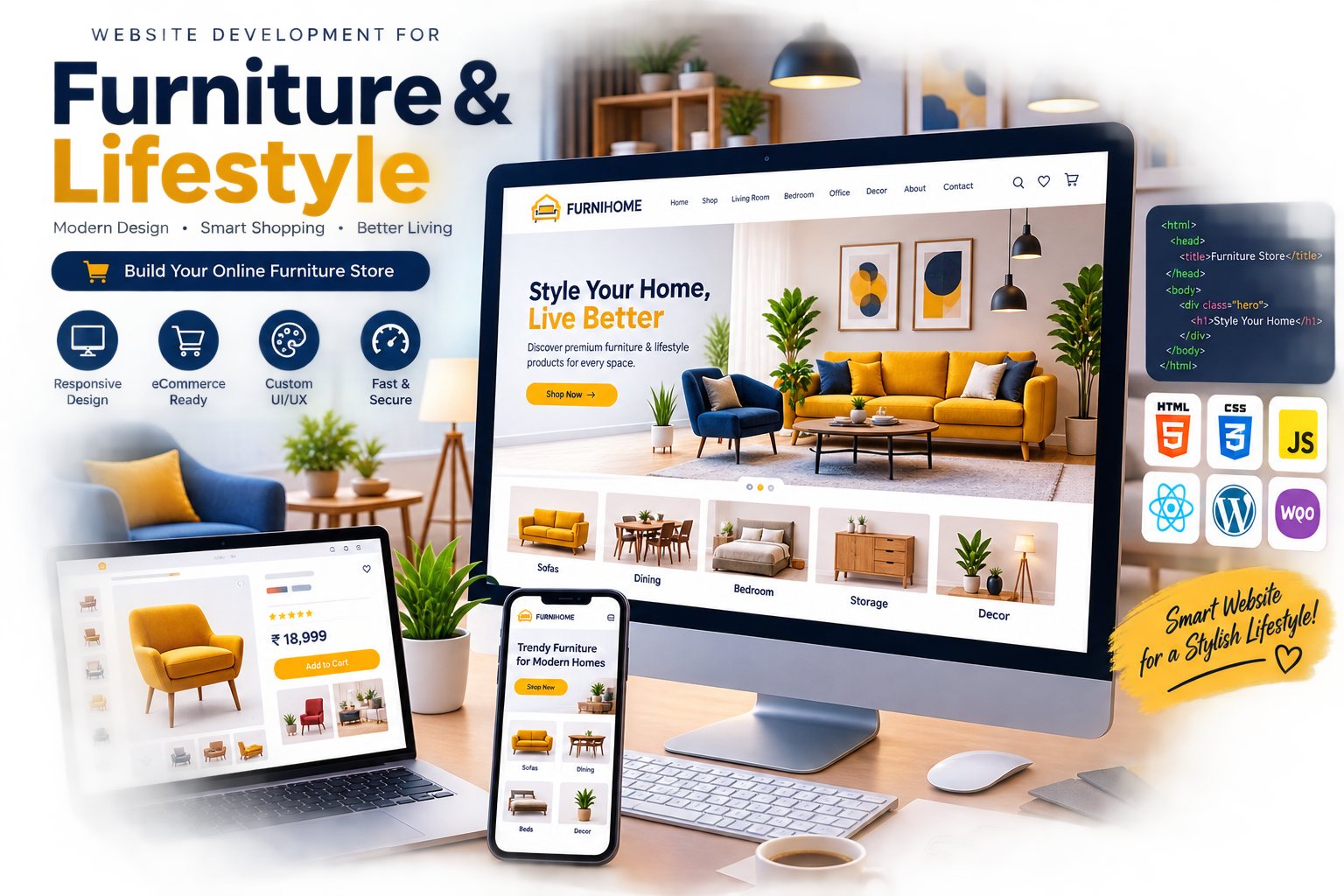
Furniture & Lifestyle
Furniture & Lifestyle Website Development Solutions Whiz Technology develops modern, responsive and visually engaging websites for furniture manufacturers, furniture suppliers, furniture brands, home furnishing businesses and lifestyle product companies. We create digital platforms that help businesses showcase their furniture collections, products, projects and brand identity while generating enquiries and building a stronger online presence. Our furniture and lifestyle website solutions are designed around the business model, whether it is a furniture manufacturer, B2B supplier, retail furniture brand, home furnishing company or lifestyle business. Our Furniture & Lifestyle Solutions Furniture Website Development A furniture business needs a website that presents its products visually while providing customers and business buyers with useful product information. Whiz Technology develops furniture websites with structured sections for product categories, furniture collections, product details, materials, specifications, applications, projects, galleries and enquiries. Furniture Product Catalogue For manufacturers and suppliers, we can create digital product catalogues that allow businesses to organize and showcase their furniture collections. Product pages can include: B2B Furniture Website Development Furniture manufacturers and suppliers often serve hotels, restaurants, offices, interior designers, architects and other businesses. Whiz Technology can create B2B-focused furniture websites that showcase products according to different industries and applications. For example: Furniture Projects & Portfolio Furniture businesses can also showcase completed projects and installations through dedicated project pages. Project sections can include: This helps potential customers understand how the furniture products are used in real-world projects. Lifestyle & Home Furnishing Websites Beyond furniture, Whiz Technology develops websites for home furnishing, decor and lifestyle product businesses. Websites can showcase: Furniture SEO & Digital Marketing Whiz Technology can combine furniture website development with SEO, local SEO, content marketing and digital marketing to improve online visibility. SEO strategies can include: Custom Furniture Business Solutions Different furniture businesses have different requirements. A manufacturer may need a B2B catalogue, while a retail brand may need a complete e-commerce store. Whiz Technology can combine: Website Development + Product Catalogue + B2B Enquiries + eCommerce + CRM + WhatsApp + SEO + Digital Marketing to create a digital solution around the business requirements. Businesses We Build Websites For Why Choose Whiz Technology? Product-Focused DesignWebsites are structured to showcase furniture collections and products professionally. B2B & B2C SupportThe website can be designed around business enquiries, retail customers or both. Visual Product PresentationHigh-quality product galleries and organized categories make collections easier to explore. Lead GenerationEnquiry forms, WhatsApp integration and CTAs can help generate potential customer enquiries.

Interior & Decor
Interior & Decor Website Development Solutions Whiz Technology develops modern, visually engaging and responsive interior design and decor websites for interior designers, interior studios, furniture businesses, architects, home decor brands and commercial interior solution providers. Our websites are designed to showcase design portfolios, completed projects, services, products and creative expertise while helping businesses generate new enquiries. We create interior and decor websites around the specific requirements of each business, whether it is a residential interior designer, commercial interior studio, furniture and decor brand or a business providing complete interior solutions. Our Interior & Decor Solutions Interior Design Website Development An interior design website needs to visually communicate the quality, style and experience of the business. Whiz Technology creates portfolio-focused websites where businesses can showcase their design projects, services, completed work, design concepts, galleries and areas of expertise. A website can include dedicated sections for: Interior Project Showcase Interior businesses often depend on their portfolio to demonstrate their capabilities. We can create detailed project pages that showcase: This creates a structured digital portfolio that allows potential customers to explore the company’s work. Furniture & Home Decor Websites Whiz Technology also develops websites for furniture manufacturers, furniture suppliers, home decor brands and interior product businesses. These websites can include: Commercial Interior Solutions For businesses working on commercial projects, websites can showcase experience across industries such as: Dedicated industry and project pages can help visitors understand the company’s experience and services. Interior Design SEO & Local SEO Interior design businesses often target customers searching for designers and interior services in specific cities and locations. Whiz Technology can combine interior website development with SEO and local SEO to improve online visibility. SEO-focused strategies can include: Custom Interior Business Solutions Every interior business has different services and workflows. A freelance designer may need a portfolio website, while a larger interior studio may require project management, enquiry management, product catalogues and CRM integration. Whiz Technology can combine: Website Development + Portfolio + Project Showcase + Product Catalogue + CRM + WhatsApp + SEO + Digital Marketing to create a digital solution around the business requirements. Businesses We Serve Our Interior & Decor solutions can support: Why Choose Whiz Technology? Visual Portfolio ExperienceWe create websites that put completed projects, design work and creative capabilities at the centre. Project-Focused StructureIndividual project pages can showcase the details, images and services involved in each project. Responsive DesignWebsites are designed for desktop, tablet and mobile visitors. Lead GenerationEnquiry forms, WhatsApp integration and CTAs can help generate potential client enquiries. SEO-Friendly ArchitectureService, project, industry and location pages can be structured to support search visibility. Scalable TechnologyAdditional features, catalogues, integrations and business tools can be added as requirements grow.
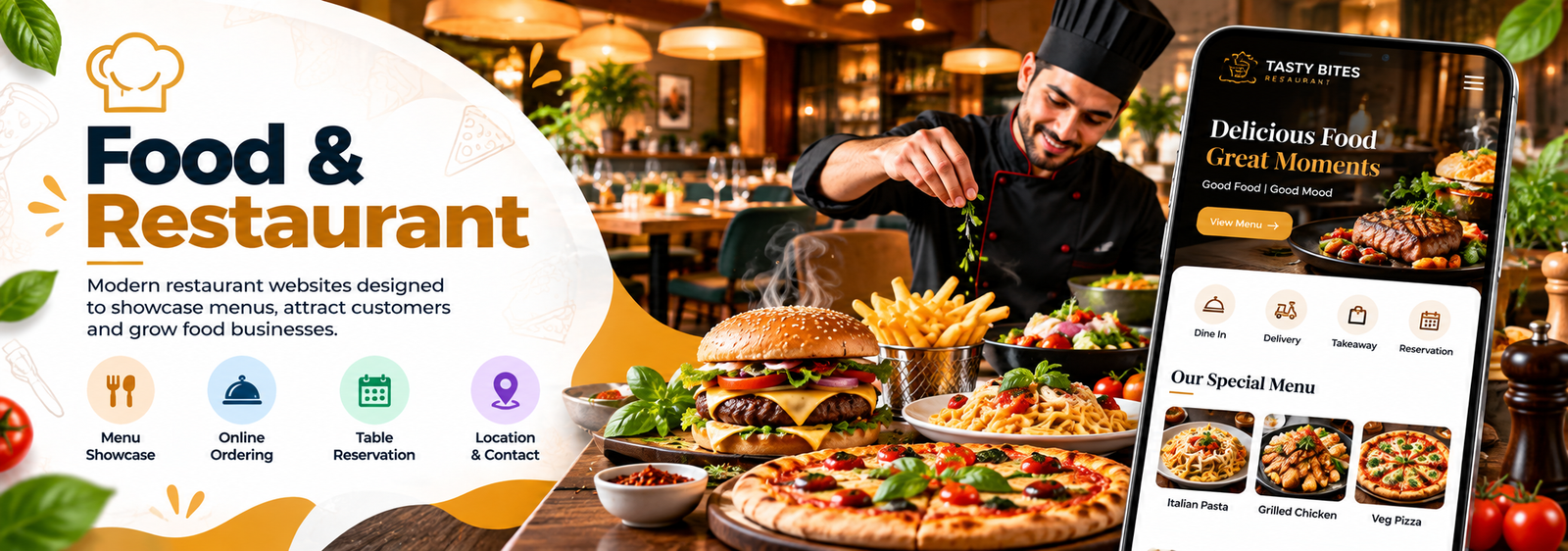
Food & Restaurant
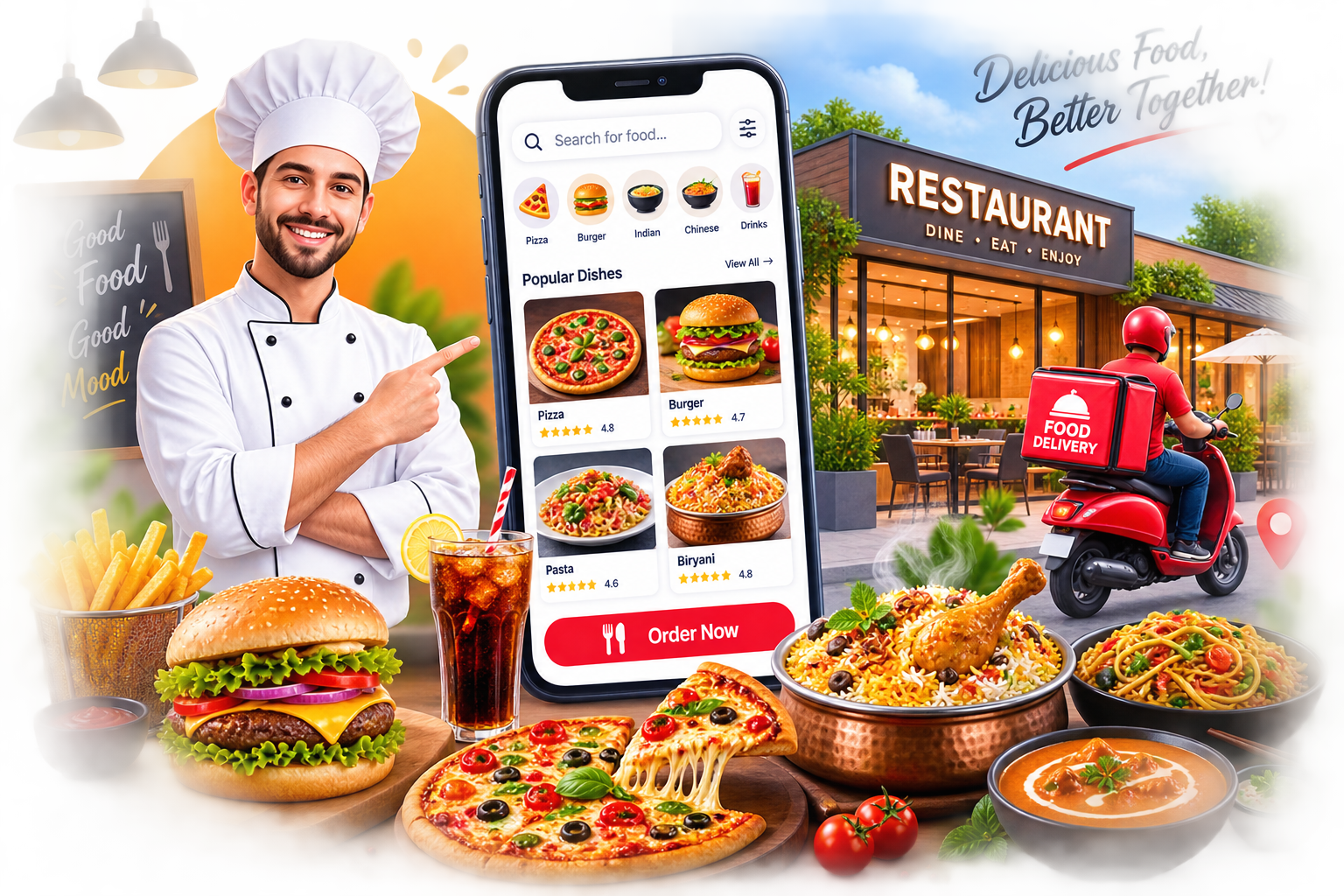
Food & Restaurant Website Development Solutions Whiz Technology develops modern, responsive and engaging food and restaurant websites for restaurants, cafes, hotels, cloud kitchens, food brands, catering businesses and food-service companies. Our solutions are designed to help businesses showcase their menu, promote their food and services, generate enquiries and build a strong online presence. We create restaurant websites according to the business model, whether it is a single restaurant, multi-location food business, cafe, takeaway service or growing food brand. Our Food & Restaurant Solutions Restaurant Website Development A restaurant website should make it easy for customers to discover the business, explore the menu, view food images and contact or visit the restaurant. Whiz Technology develops structured restaurant websites with dedicated sections for menus, food categories, special dishes, services, restaurant information, galleries, locations, opening information, reservations and enquiries. Online Menu & Food Ordering For restaurants and food businesses that want to showcase or sell their products online, websites can include: Cafe & Cloud Kitchen Websites Whiz Technology also develops websites for cafes, bakeries, cloud kitchens, takeaway businesses and food startups. The website can highlight: Restaurant SEO & Local SEO For food businesses, local search visibility is important when customers search for restaurants, cafes and food services in their area. Whiz Technology can combine restaurant website development with local SEO, Google Business Profile optimization, content marketing and digital marketing. SEO strategies can include: Hospitality & Food Business Integration For restaurants operating within hotels, resorts or larger hospitality businesses, we can create digital solutions that connect the restaurant’s online presence with the wider hospitality website. Solutions can combine: Restaurant Website + Menu + Booking + Online Ordering + WhatsApp + CRM + SEO + Digital Marketing Businesses We Serve Our food and restaurant solutions can support: Why Choose Whiz Technology? Food-Focused DesignWe structure websites around menus, food offerings, services and customer experience. Mobile-Friendly ExperienceCustomers can easily browse menus and contact the business from mobile devices. Lead GenerationEnquiry forms, WhatsApp and reservation CTAs can help generate customer enquiries. SEO-Friendly StructureRestaurant, menu, service and location pages can be optimized for search visibility. Scalable SolutionsAdditional ordering, booking and business integrations can be added as the business grows.

Travel & Hospitality
Travel & Hospitality Website Development Solutions Whiz Technology develops modern, responsive and user-friendly travel and hospitality websites for travel agencies, tour operators, hotels, resorts, cab booking businesses, destination management companies and hospitality brands. Our solutions are designed to help travel businesses showcase destinations and packages, generate enquiries, manage bookings and create a strong online presence. We build travel and hospitality websites around the specific requirements of each business, from a professional travel agency website to customized platforms for tour packages, hotel bookings, cab services, travel enquiries and online reservations. Our Travel & Hospitality Solutions Travel Website Development A travel website should make it easy for visitors to discover destinations, explore tour packages and contact the travel business. Whiz Technology develops structured travel websites with dedicated sections for destinations, tour packages, travel services, itineraries, galleries, pricing information, FAQs, enquiry forms and contact options. The website can be customized for travel agencies, tour operators and businesses offering domestic or international travel services. Tour & Travel Package Solutions For businesses selling travel packages, we can develop dedicated package pages containing: This structure helps visitors understand the travel offering and contact the business for further information. Hotel & Hospitality Website Development Hotels, resorts, guest houses and hospitality businesses need a professional online presence where customers can explore rooms, facilities, services and locations. Whiz Technology can develop hospitality websites featuring: Travel & Hospitality SEO Travel businesses depend heavily on online search visibility. Whiz Technology can combine travel website development with SEO, local SEO, content marketing and digital marketing to help businesses reach relevant audiences. SEO-focused strategies can include: Cab Booking & Transportation Solutions For travel businesses offering transportation services, Whiz Technology can develop digital solutions for cab booking, airport transfers, local transportation and tourist vehicle services. Depending on the project requirements, the platform can include: Custom Travel Technology Solutions Every travel business has different booking processes and customer requirements. A small travel agency may need a simple website, while a larger operator may require package management, booking workflows, CRM and payment integrations. Whiz Technology can combine: Travel Website + Tour Packages + Booking + CRM + Payment + WhatsApp + SEO + Digital Marketing + Business Automation to create a scalable digital solution around the business. Businesses We Serve Our travel and hospitality solutions can support: Why Choose Whiz Technology? Travel-Focused DesignWe structure websites around destinations, packages, bookings and customer requirements. Easy Package DiscoveryDedicated destination and tour package pages make it easier for visitors to explore travel options. Lead GenerationEnquiry forms, WhatsApp integration and booking CTAs can help generate travel enquiries. Responsive DevelopmentWebsites are designed for desktop, tablet and mobile users. SEO-Friendly StructureDestination, package, hotel and location pages can be structured to support search visibility. Scalable TechnologyAdditional booking systems, integrations and business features can be added as requirements grow. Digital Growth SupportWebsite development can be combined with SEO, local SEO, social media and digital marketing services.
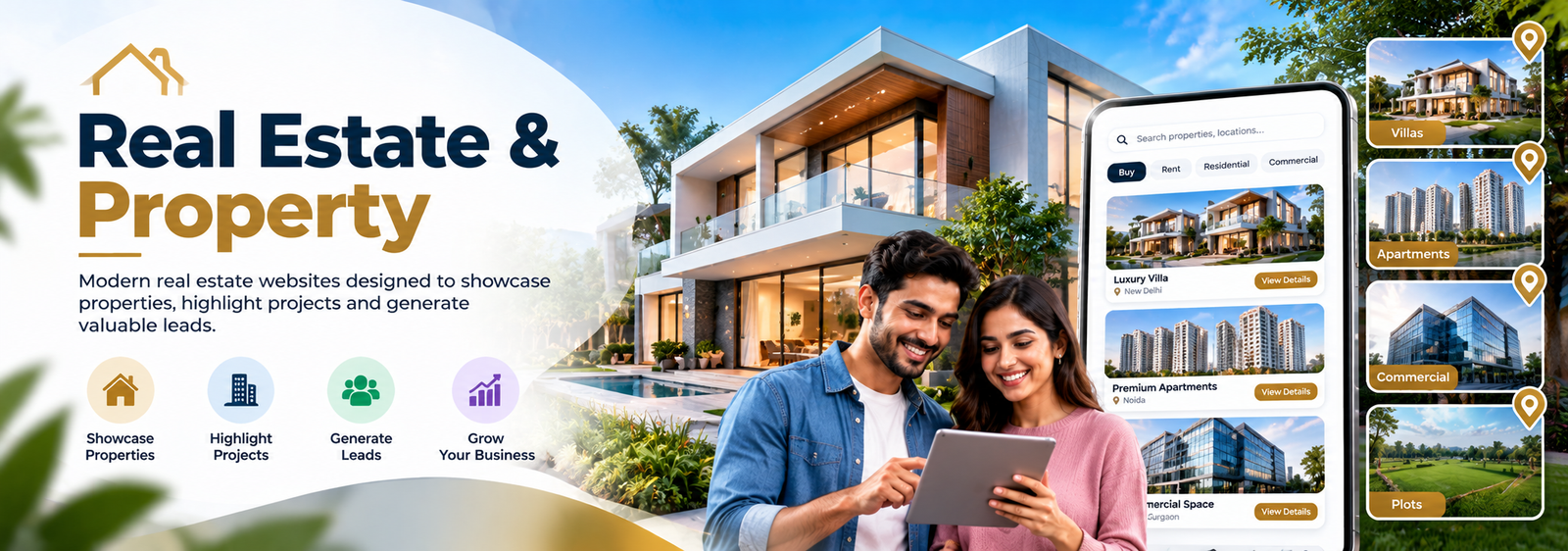
Real Estate & Property
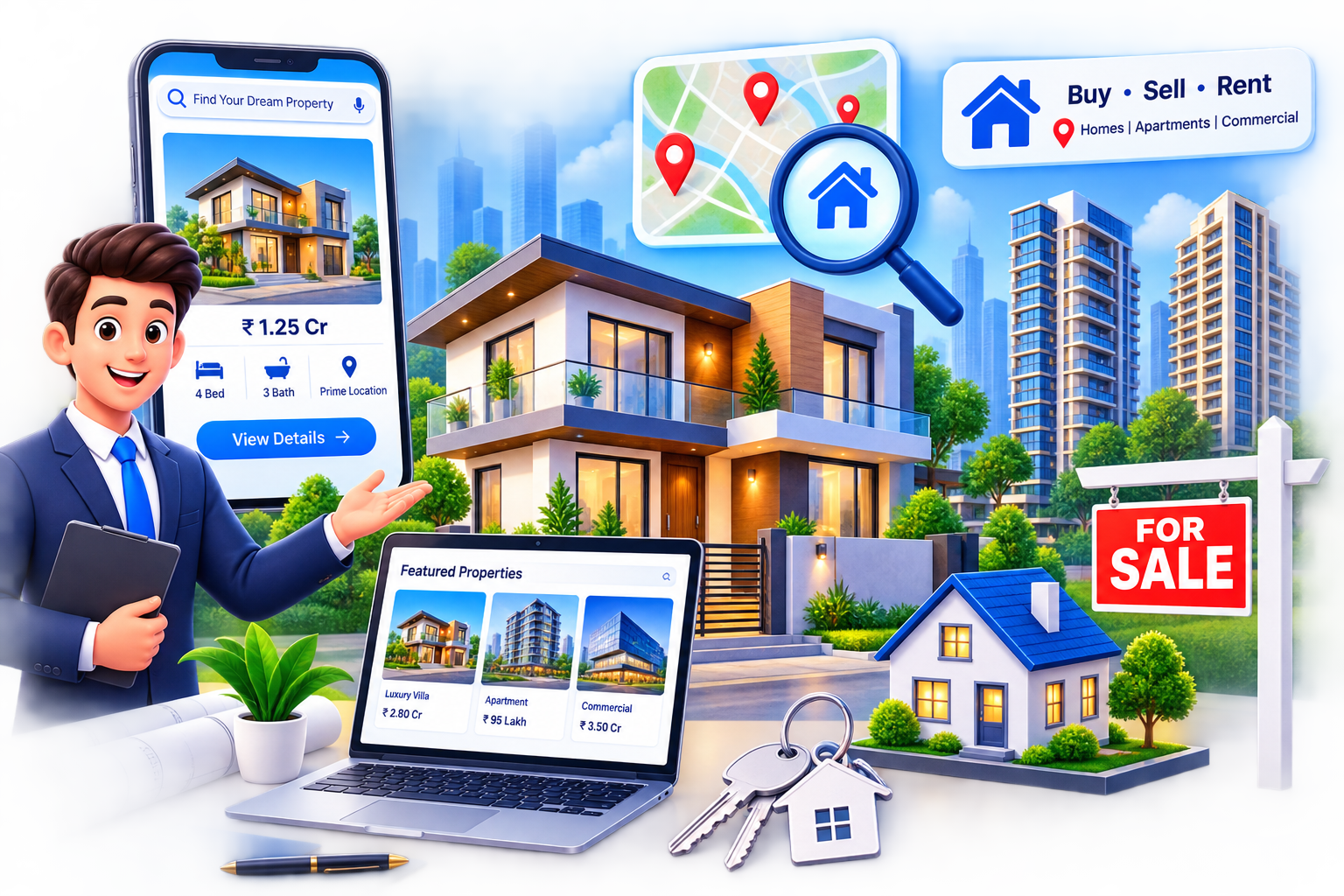
Real Estate & Property Website Development Solutions Whiz Technology develops modern, responsive and scalable real estate and property websites for builders, developers, real estate agencies, property consultants, brokers, architects and property service businesses. Our solutions are designed to help businesses showcase properties, present projects, generate enquiries and build a strong digital presence. We create property-focused websites around the specific requirements of each real estate business, from a professional company website and project showcase to customized property listing and lead-generation platforms. Our Real Estate & Property Solutions Property Listing Website Development A real estate website should make it easy for visitors to discover properties and understand the important details of each project. Whiz Technology can develop structured property listing and project pages with information such as: Residential & Commercial Real Estate We create websites for businesses dealing with different types of properties, including: Real Estate Lead Generation Real estate websites need to convert website visitors into genuine business enquiries. Whiz Technology can build lead-generation-focused websites with strategically placed enquiry forms, call-to-action sections, WhatsApp integration and contact options. Businesses can use these features to receive enquiries for: Real Estate SEO & Local SEO Whiz Technology can combine real estate website development with SEO and digital marketing to help property businesses build their online visibility. SEO-focused development can include: Custom Property Technology Solutions Different real estate businesses have different workflows. A local property consultant may need a simple website, while a property developer or real estate agency may require property listings, lead management and CRM integration. Whiz Technology can combine: Website Development + Property Listings + CRM + Lead Management + WhatsApp + SEO + Digital Marketing + Business Automation to create a digital solution around the business requirements. Industries & Businesses We Serve Our real estate solutions can support: Why Choose Whiz Technology? Property-Focused DesignWe structure websites around property information, projects, locations and customer requirements. Lead GenerationEnquiry forms, WhatsApp integration, CTAs and contact options can help generate property enquiries. Responsive DevelopmentWebsites are designed for desktop, tablet and mobile users. SEO-Friendly ArchitectureProperty, service, project and location pages can be structured for search visibility. Scalable TechnologyAdditional property features, integrations and business tools can be added as requirements grow. Digital Growth SupportWebsite development can be combined with SEO, local SEO, content and digital marketing services.
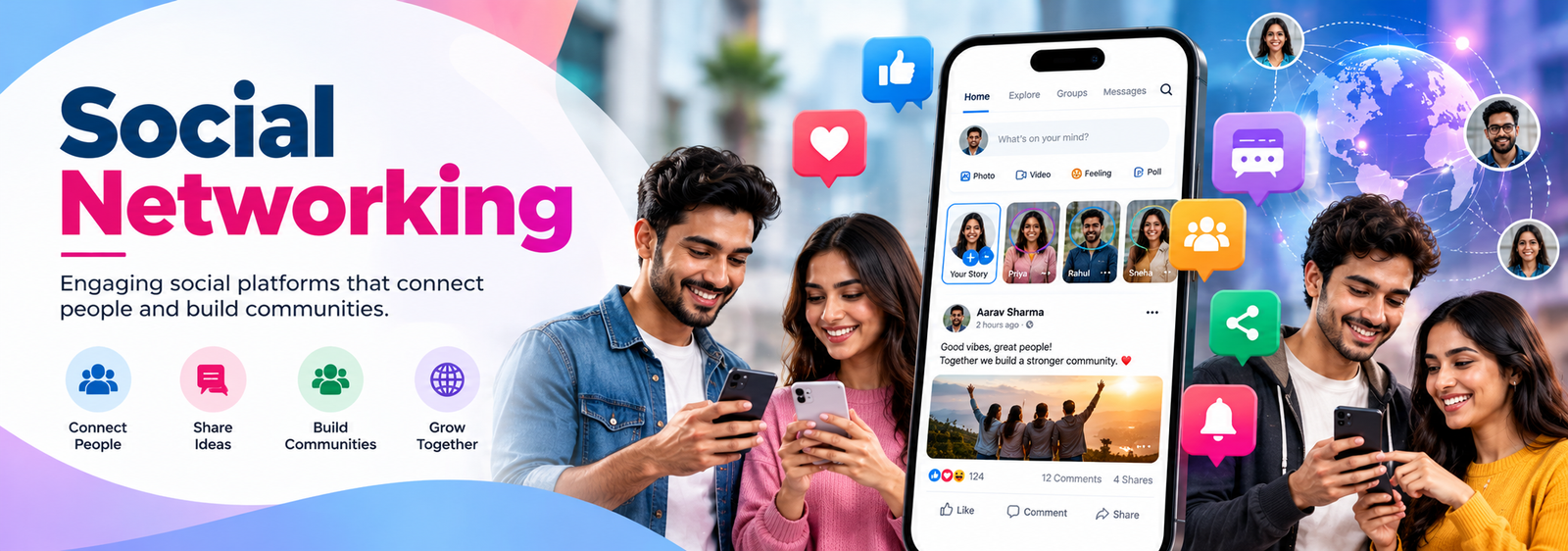
Social Networking
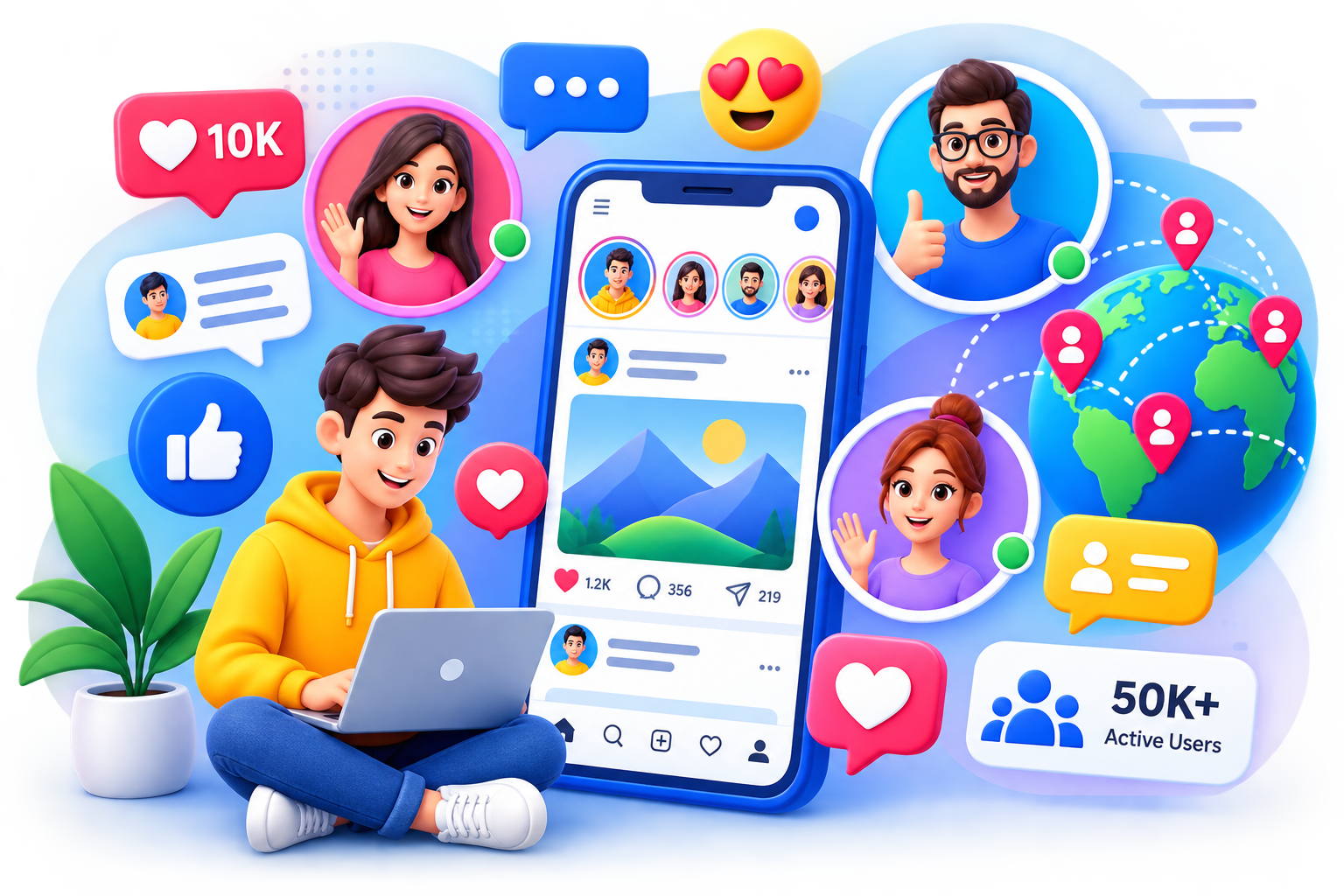
Social Networking Website & Platform Development Whiz Technology develops modern, scalable and engaging social networking websites and digital platforms designed to connect people, communities, businesses and organizations. Our social networking solutions can be customized around the platform’s purpose, target audience and engagement model. From community-based websites and professional networking platforms to niche social communities, we build digital experiences that make it easier for users to create profiles, connect with others, share content, communicate and participate in online communities. Our Social Networking Solutions Custom Social Networking Platforms Every social platform has a different purpose and audience. Whiz Technology develops customized solutions based on the specific requirements of the business or organization. A platform can include features such as user profiles, personalized feeds, connections, followers, communities, groups, messaging, notifications, content sharing and engagement tools. Community & Engagement Features Social platforms depend on meaningful user interaction. Depending on the project, we can develop features such as: Business & Professional Networking Social networking technology can also be used to build platforms focused on professional communities, business networking, industry groups and specialized communities. Whiz Technology can develop platforms where users can create professional profiles, connect with other members, share information, participate in groups and communicate within a focused business community. Social Networking for Different Communities Our solutions can be developed for: Social Platform SEO & Digital Growth A social networking platform also needs a strong digital presence to attract users. Whiz Technology can combine social platform development with SEO, content strategy, digital marketing and performance optimization according to the project’s requirements. Scalable Social Technology As the number of users and content grows, the platform may require additional technology and business features. Whiz Technology can develop a scalable architecture that can be expanded with features such as: Social Networking + Community + Messaging + CRM + AI + Mobile App + Business Automation This allows the platform to evolve as its users and business requirements grow. Why Choose Whiz Technology? Custom DevelopmentBuild the platform around your community, audience and business model. Engagement-Focused ExperienceCreate features that encourage communication, content sharing and community participation. Responsive DesignProvide a consistent experience across desktop, tablet and mobile devices. Scalable TechnologyBuild a platform that can support future features and expansion. Secure User ManagementUser registration, authentication, profiles and administrative controls can be developed according to project requirements.