
Custom Software, Website and Application Development Solutions for Delhi Businesses
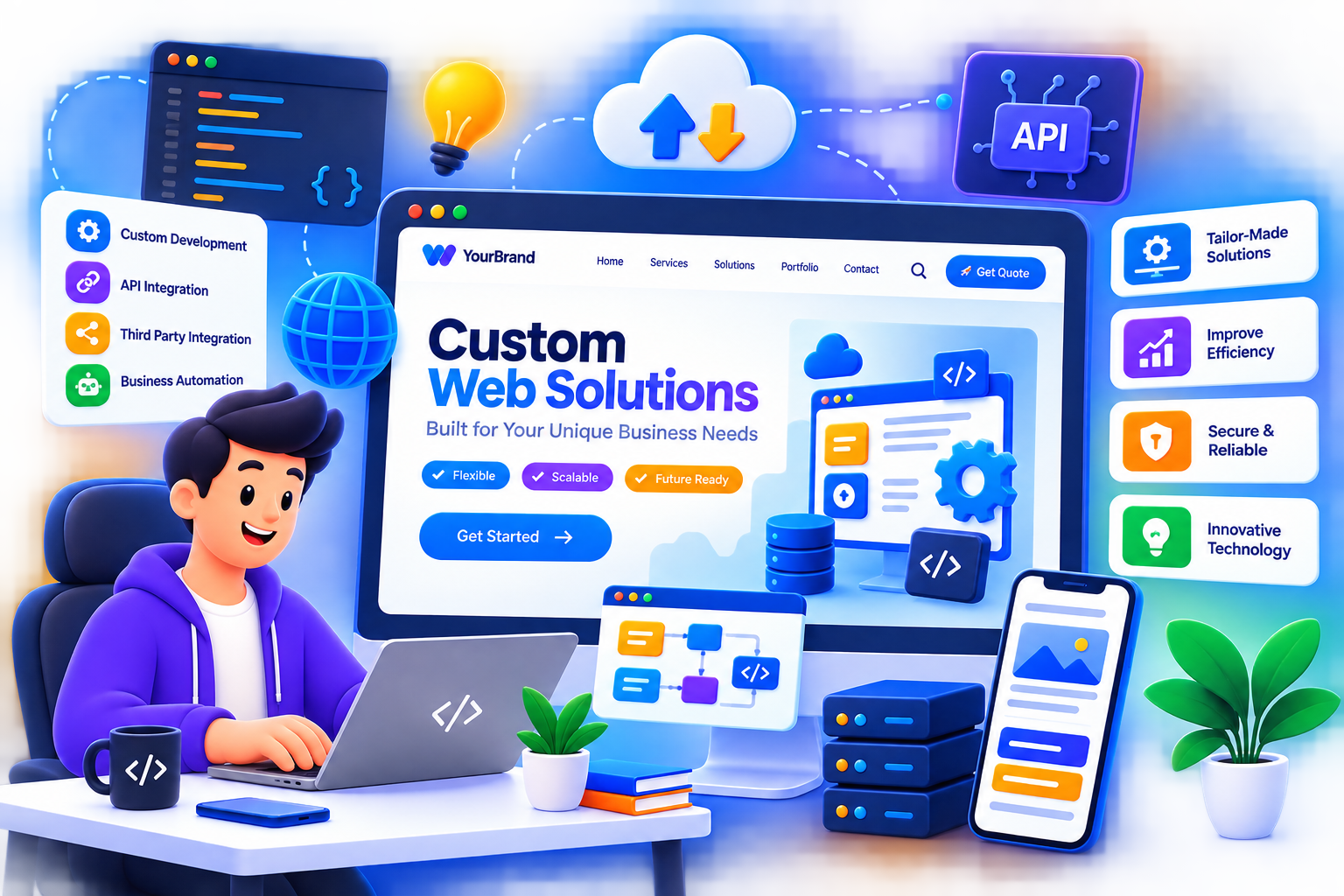
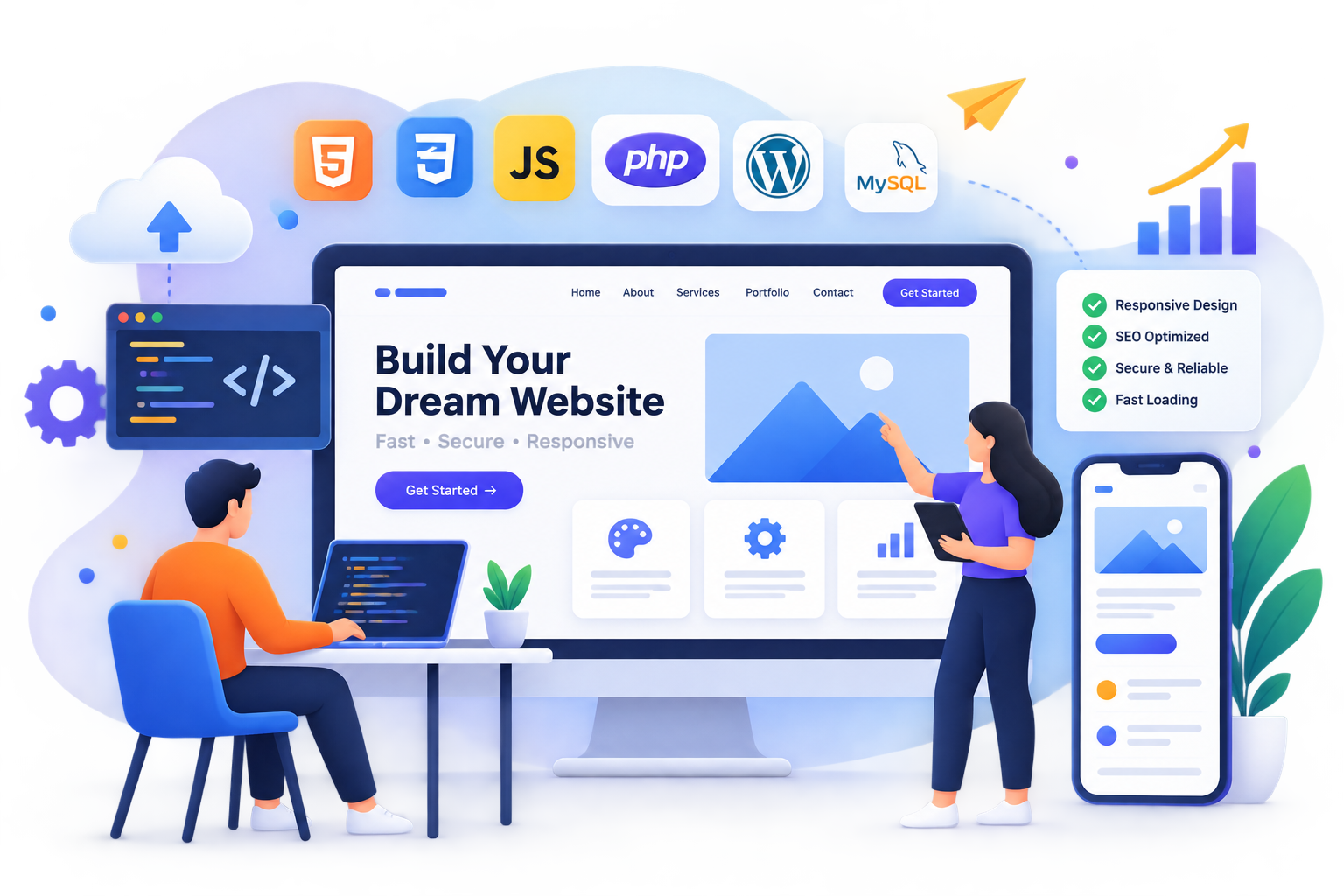
Whiz Technology offers development services in Delhi to help businesses build websites, web applications, mobile applications, custom software, and digital business solutions. Depending on project requirements, our development approach can include responsive interfaces, database-driven applications, API integrations, business process automation, and ongoing technical support.
Read More
Development Services in Delhi
Businesses increasingly rely on digital technology to manage operations, connect with customers, improve workflows, and support growth. The right software solution can help organize business information, simplify repetitive tasks, and create more convenient digital experiences. Whiz Technology offers development services in Delhi for businesses looking to build or improve their digital products and technology infrastructure.
From business websites and custom web applications to mobile apps and enterprise software, development projects should be planned around specific objectives, user requirements, and technical constraints.
Whether you are a startup, small business, established company, retailer, service provider, or enterprise, our development approach focuses on defining the project scope, selecting appropriate technologies, and building functionality that supports your business needs.
Custom Software Development in Delhi
Off-the-shelf software does not always fit every organization\'s workflows. Custom software development can help businesses implement features and processes suited to their operations.
Depending on the requirements, a custom software project may include:
- Business process management
- Customer and employee management
- Inventory and order management
- Reporting dashboards
- Role-based user access
- Workflow automation
- Database-driven applications
- Third-party API integrations
- Administrative panels
- Software maintenance and enhancement
The proposed architecture, technology stack, features, and implementation schedule depend on the complexity of the project and the existing business environment.
Website Development Services in Delhi
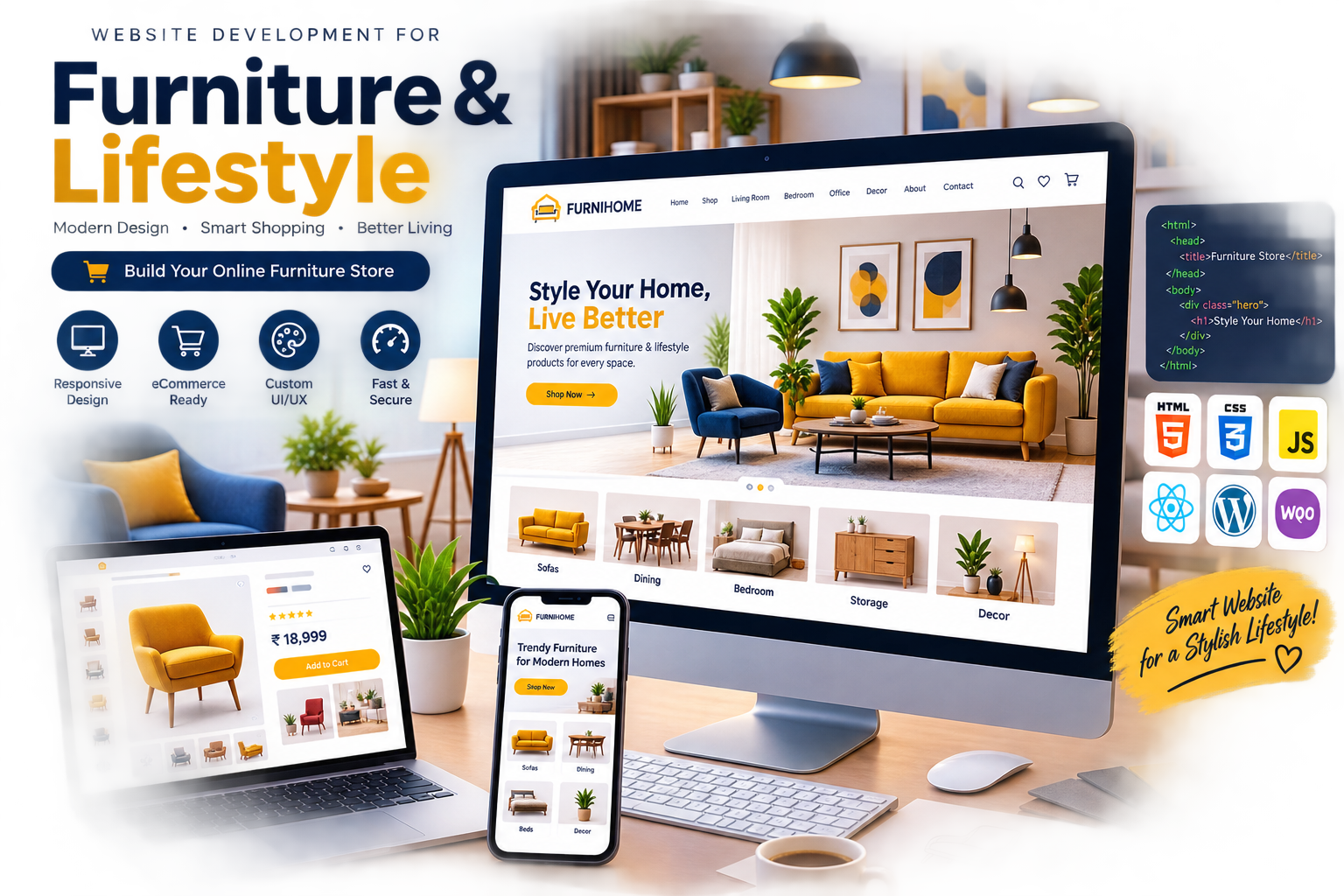
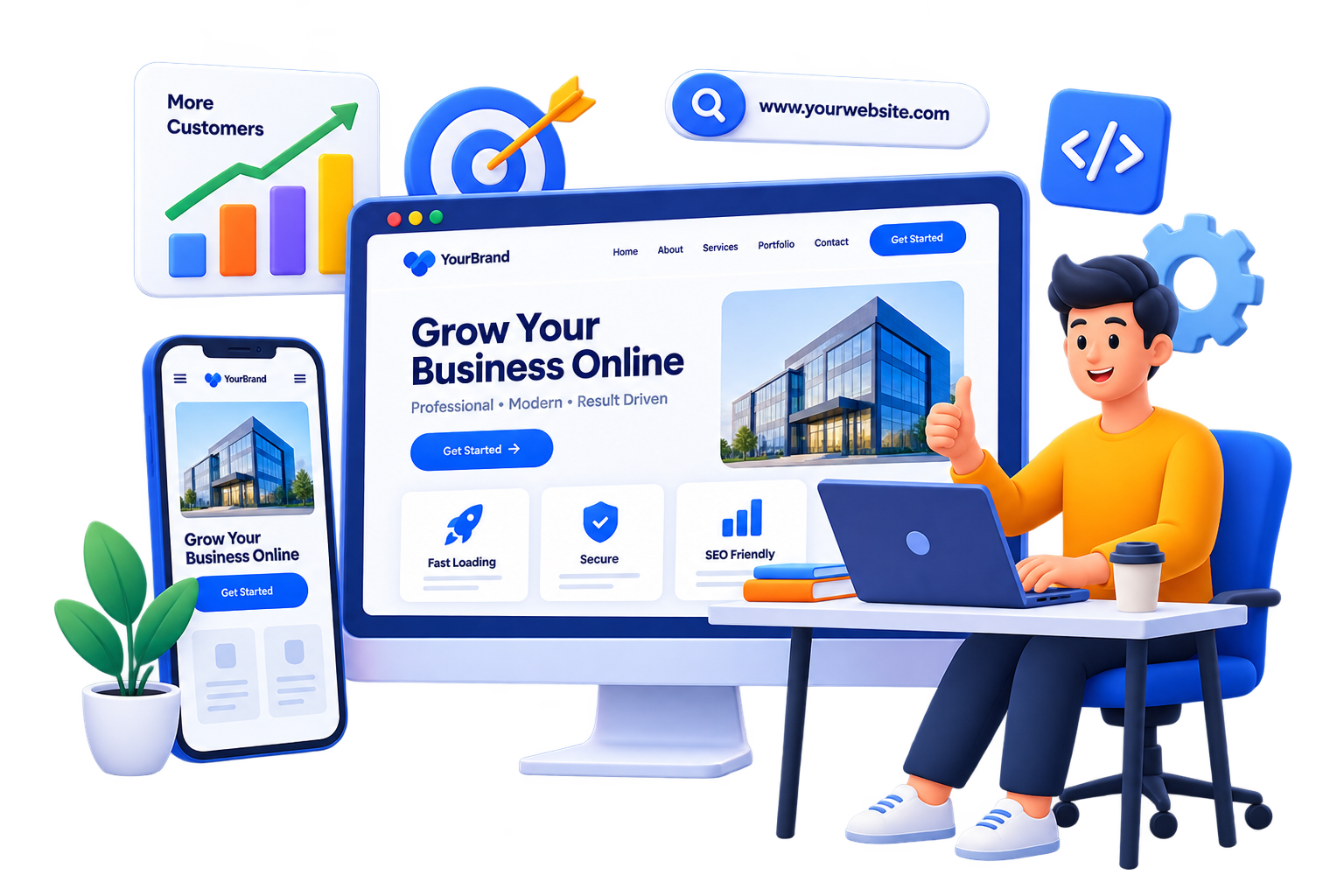
A business website provides a digital platform for presenting services, products, company information, and customer contact options. It should be designed to support the needs of its visitors while remaining manageable for the business.
Website development services may include:
- Business and corporate websites
- Service-based websites
- eCommerce websites
- Custom WordPress development
- Responsive website layouts
- Website forms and enquiry workflows
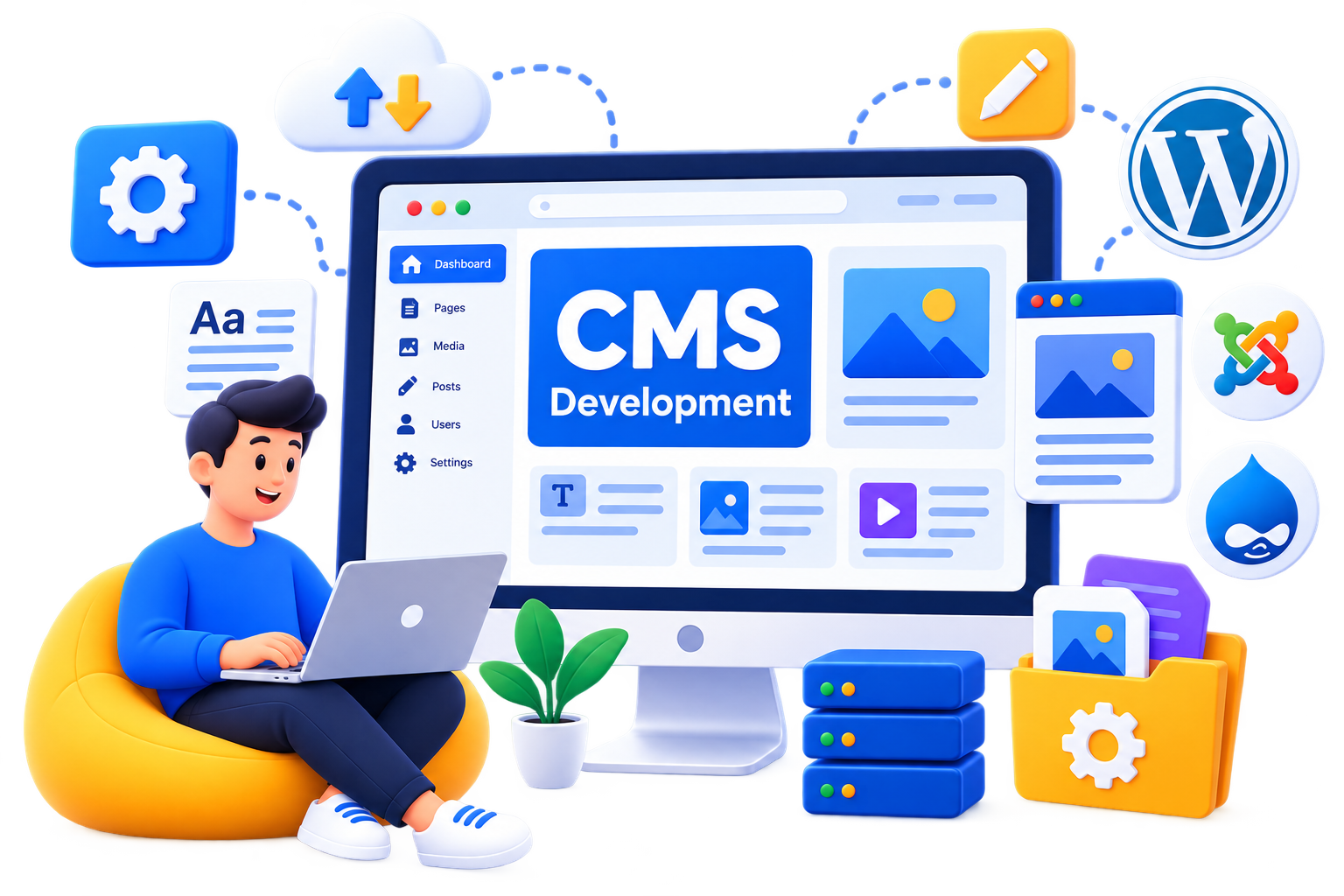
- Content management functionality
- Third-party integrations
- Technical SEO foundations
- Performance and maintenance improvements
The website structure should reflect the business\'s services, target audience, content requirements, and future plans.
Web Application Development
Web applications allow users to perform tasks through a browser without requiring a separate native application for every workflow. They can be useful for customer portals, business dashboards, internal tools, booking systems, and data management platforms.
Depending on the project, web application development may cover:
- User registration and authentication
- Role-based dashboards
- Forms and data management
- Search and filtering
- Workflow automation
- Reporting and analytics interfaces
- Database integration
- API connectivity
- Administrative controls
- Responsive user experiences
Application security, scalability, hosting, and maintenance requirements should be assessed as part of the technical planning process.
Mobile App Development Services
Mobile applications can help businesses provide services, communicate with customers, and deliver features designed for smartphone users.
Depending on the requirements, mobile app development may include:
- Android application development
- iOS application development
- Cross-platform app development
- Customer and user accounts
- Push notification integration
- Booking and ordering features
- API integration
- Payment workflow integration where supported
- Administrative dashboards
- Application testing and release preparation
The choice between native and cross-platform development depends on performance requirements, device features, budget, and long-term maintenance considerations.
Business Software and Automation
Many businesses manage daily tasks using spreadsheets, separate applications, or repetitive manual processes. Business software can help centralize information and streamline selected workflows.
Potential solutions include:
- Customer relationship management (CRM)
- Enterprise resource planning (ERP)
- Inventory management software
- Employee and workflow management
- Order and quotation management
- Business reporting dashboards
- Automated notifications
- Data synchronization between applications
Automation should be designed around documented business processes, with appropriate validation, permissions, and error handling.
eCommerce and Online Business Development
Businesses selling products online need more than a product catalogue. Their websites may also need shopping cart functionality, checkout workflows, payment processing, order management, and inventory controls.
Depending on the project, eCommerce development can include:
- Online store design and development
- Product and category management
- WooCommerce development
- Shopify store implementation
- Shopping cart and checkout configuration
- Payment gateway integration
- Shipping and delivery configuration
- Order notifications
- Inventory synchronization
- eCommerce SEO foundations
The selected platform and features should be based on product requirements, operational needs, integrations, and budget.
API Integration and Third-Party Connectivity
API integrations allow compatible applications to exchange data or use external services. They can reduce duplicate data entry and connect different parts of a business workflow.
Integration projects may involve:
- CRM and ERP connectivity
- Payment gateway APIs
- Website and mobile app APIs
- Shipping and order services
- Authentication services
- External data sources
- Notification systems
- Reporting integrations
Every integration requires a compatibility assessment, including API availability, authentication, usage limits, licensing, data formats, and error-handling requirements.
React, Node.js and Modern Web Technologies
Modern development frameworks and runtimes can support interactive user interfaces, API-driven applications, and customized business platforms.
Depending on the project\'s technical requirements, the development stack may include React for user interfaces, Node.js for backend services, and suitable database technologies for application data.
The technology selection should account for project complexity, developer expertise, hosting compatibility, security requirements, performance, and future maintenance. A technology should be chosen because it fits the project, not simply because it is popular.
UI/UX Design and User Experience
Software should be usable as well as technically functional. UI/UX planning helps organize screens, navigation, content, and user interactions around the needs of the people using the product.
Depending on the project scope, design activities may include:
- User journey planning
- Information architecture
- Wireframes and interface layouts
- Responsive design
- Dashboard and form design
- Interactive prototypes
- Usability reviews
- Design consistency checks
A well-planned user experience can make important functions easier to understand and use, although usability outcomes depend on implementation and user testing.
Development, Testing and Quality Assurance
Testing helps identify issues before software is released to users. The appropriate testing process depends on the application\'s complexity, business risks, and expected usage.
Development projects may include:
- Functional testing
- Form and validation testing
- API testing
- Responsive layout testing
- Browser compatibility checks
- Authentication and permission checks
- Performance testing where required
- Integration testing
- Bug fixing and release preparation
Testing requirements and acceptance criteria should be agreed before delivery so that project completion can be evaluated against a clear scope.
Maintenance, Support and Software Improvements
Software may need ongoing updates as business processes, dependencies, security requirements, and user expectations change.
Depending on the agreed support arrangement, maintenance may include:
- Bug investigation and fixes
- Compatibility updates
- Dependency updates
- Performance reviews
- Security configuration checks
- Backup and recovery planning
- Feature enhancements
- Technical troubleshooting
Support coverage, response times, maintenance frequency, and additional development charges should be defined in the project agreement.
Our Development Process
A structured development process helps keep the project aligned with business goals.
1. Requirement Analysis
Understand the business problem, target users, desired features, existing systems, and expected outcomes.
2. Project Planning
Define the scope, technology options, milestones, responsibilities, integrations, and acceptance criteria.
3. Design and Architecture
Plan the user interface, application structure, database requirements, security controls, and system integrations.
4. Development
Build the agreed functionality using technologies appropriate to the project.
5. Testing and Review
Validate the core workflows, user permissions, integrations, and responsive behaviour against the defined requirements.
6. Deployment
Prepare the hosting or release environment, configure the application, and complete agreed launch checks.
7. Ongoing Improvement
Evaluate feedback, address agreed issues, and plan future enhancements where required.
Why Consider Whiz Technology for Development Services?
Choosing a development partner requires a clear understanding of technical requirements, project deliverables, communication, and long-term support.
Whiz Technology can help businesses plan development projects around their workflows and digital objectives. Depending on the agreed engagement, services may include website development, web applications, mobile applications, custom software, business automation, API integrations, and maintenance options.
Before beginning a project, confirm the deliverables, timeline, technology choices, hosting arrangements, third-party costs, testing requirements, source-code ownership, and support terms.
Development Services Across Delhi NCR
Businesses across Delhi NCR may need different types of software depending on their industry, operating model, customer base, and internal workflows.
Development projects can be discussed for eligible businesses serving Delhi, Noida, Gurugram, Ghaziabad, Faridabad, and surrounding areas. The solution should be tailored to actual requirements rather than using the same functionality for every business.
Frequently Asked Questions
1. What development services does Whiz Technology offer?
Depending on project requirements, services may include website development, web applications, mobile applications, custom software, eCommerce development, API integration, and business automation.
2. How much do development services cost in Delhi?
Costs depend on the project scope, design complexity, number of features, integrations, technology stack, testing requirements, and maintenance needs. A project estimate should follow a requirements assessment.
3. Can you develop custom software for my business?
Custom software may be suitable when existing tools cannot meet specific business workflows. The proposed solution depends on technical feasibility, requirements, budget, and implementation priorities.
4. Can you improve an existing website or application?
Existing systems can be assessed for redesign, feature enhancements, integrations, performance, and maintenance. The feasibility depends on the current architecture, code quality, hosting environment, and available access.
5. Do you provide mobile app development?
Mobile app development can be included in a project where the requirements, platform, design, and release scope are defined. Native or cross-platform options should be evaluated according to the intended functionality.
6. Can you integrate third-party APIs?
API integration may be possible when the external service provides compatible access and the required permissions. Feasibility depends on API documentation, authentication, limitations, and licensing.
7. Will the software be scalable?
Scalability should be considered during architecture and infrastructure planning. The appropriate design depends on expected traffic, data volume, usage patterns, budget, and performance requirements.
8. Do you offer post-launch support?
Maintenance and support can be discussed as part of the project or a separate agreement. The specific coverage and response commitments should be documented.
Discuss Your Development Project
Looking for development services in Delhi? Contact Whiz Technology to discuss your website, software, application, or automation requirements.
Company: Whiz Technology
Website: https://whiztechnology.in/
Email: info.whiztechnology@gmail.com
Share your business type, project objectives, preferred features, existing technology, and estimated timeline to help define the next steps.
Features, technology choices, integrations, deliverables, costs, and timelines depend on the agreed scope and technical feasibility. Specific performance, business, or commercial outcomes are not guaranteed.